
Orora reports first-year results for Gawler’s oxyfuel furnace
Orora reports lower gas use and emissions at its Gawler G3 furnace, alongside recycled-glass processing and prior support for industrial energy-saving projects.
Gas use and emissions after the rebuild
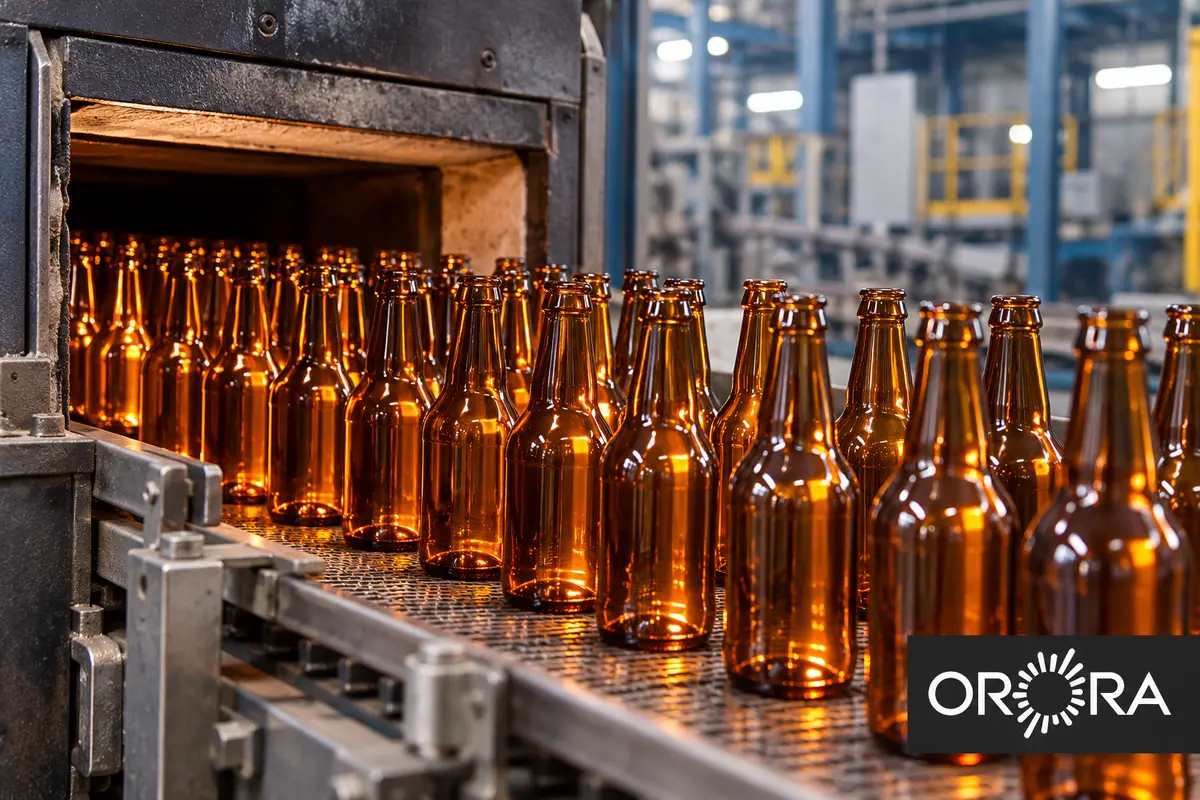
Orora has reported lower natural gas consumption and emissions during the first year of operation of its rebuilt G3 glass furnace at Gawler, South Australia. The A$130 million project uses oxyfuel melting in place of the previous air-fuel system. The company puts the reduction in natural gas use at 32%, with annual carbon dioxide savings exceeding 13,000 tonnes. It also reports nitrogen oxide emissions more than 70% below the previous furnace design.
The furnace produces over 475 tonnes of glass daily, according to Orora. Electric boosting capacity has nearly doubled. Greg Savage, senior vice president of Orora Glass Asia Pacific, linked the results to investment in advanced technology. The company’s FY35 goals include a 60% reduction in emissions intensity per tonne of glass and 68% post-consumer recycled content in coloured glass.
Funding for the oxygen-fuelled project
The federal government awarded Orora an A$12.5 million grant under the Modern Manufacturing Initiative’s Manufacturing Translation Stream, Recycling and Clean Energy program. Orora announced the award on 9 May 2022. Beverage Group general manager Simon Bromell then outlined plans to progress oxygen-fuelled furnace technology through to 2024. He associated the investment with demand for recycled packaging and support for wine customers competing in export markets.

Preparing recovered glass for the furnaces
A separate A$25 million glass beneficiation plant began operating beside Orora’s glass packaging facility at Kingsford, near Gawler, in 2022. The opening announcement on 5 October identified A$8 million of Commonwealth and South Australian grant funding through the Recycling Modernisation Fund. Deputy Premier Susan Close attended the ceremony with Orora chief executive Brian Lowe. The facility has capacity for up to 150,000 tonnes of furnace-ready recycled glass annually.
Its preparation sequence removes contaminants from used glass before remelting:
- Crushing breaks the collected glass into smaller pieces.
- Cleaning removes impurities from the material.
- Optical sorting separates colours and contaminants.
Broader collection and energy projects
By June 2024, Orora was implementing two projects with Origin Energy under South Australia’s Retailer Energy Productivity Scheme. One aimed to extend recycled-glass supply lines to regional New South Wales, Queensland and the Australian Capital Territory, followed by schemes in Victoria and Tasmania. The other involved the oxygen-fuelled furnace upgrade. The state government forecast combined savings of 1.8 million gigajoules and A$16–18 million over ten years.
The scheme’s revised eligibility rules made Orora the first large-scale South Australian manufacturer to initiate projects under it. The company employed nearly 400 people in the state at that time, producing wine, spirit and beer bottles from raw materials and recycled glass. The savings forecast covered both projects over a decade.
Leave a comment