
Nestlé Ghana expands evaporated-milk production in Tema
Nestlé Ghana added a Tema milk line, raising annual capacity from about 12,960 to nearly 30,000 tonnes, alongside a history of factory investment and expansion.
A new evaporated-milk line in Tema
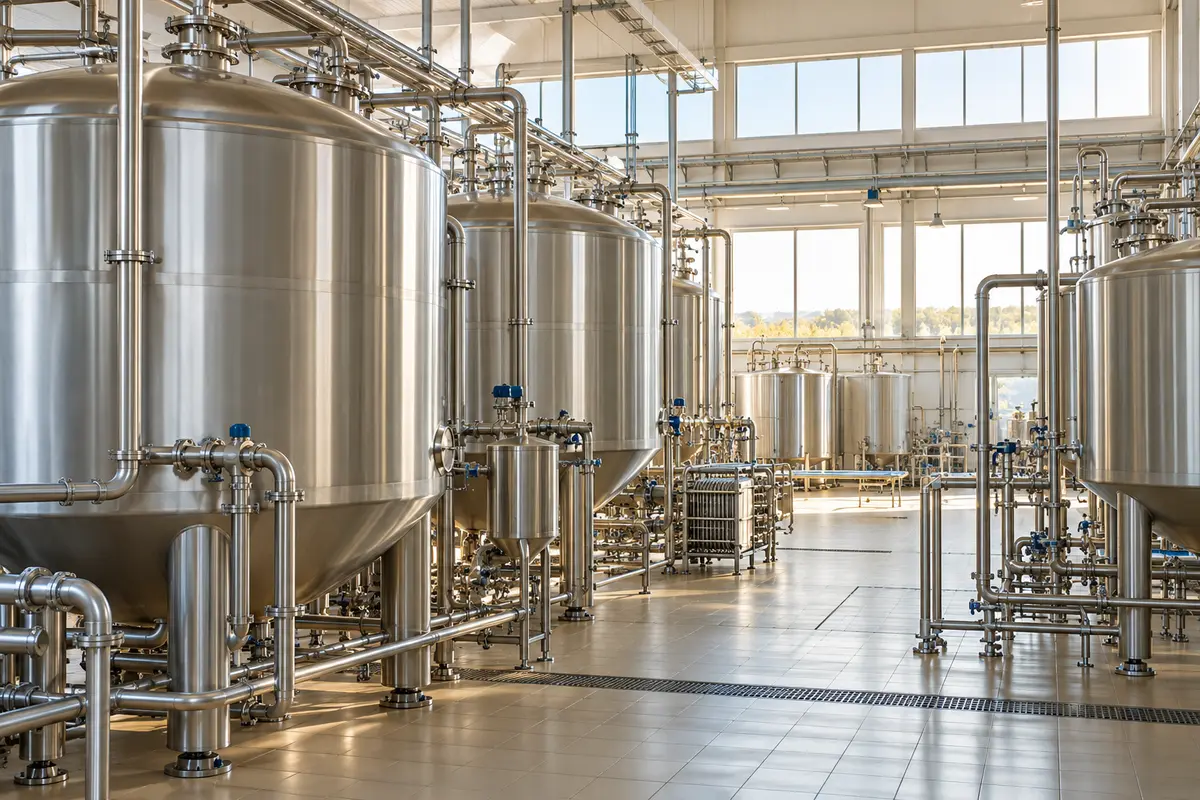
Nestlé Ghana has commissioned a new evaporated-milk production line at its Tema factory. President John Dramani Mahama inaugurated the equipment on Oct 8, 2026. The line replaces equipment that had operated for more than 30 years and raises annual evaporated-milk production capacity from approximately 12,960 tonnes to nearly 30,000 tonnes.
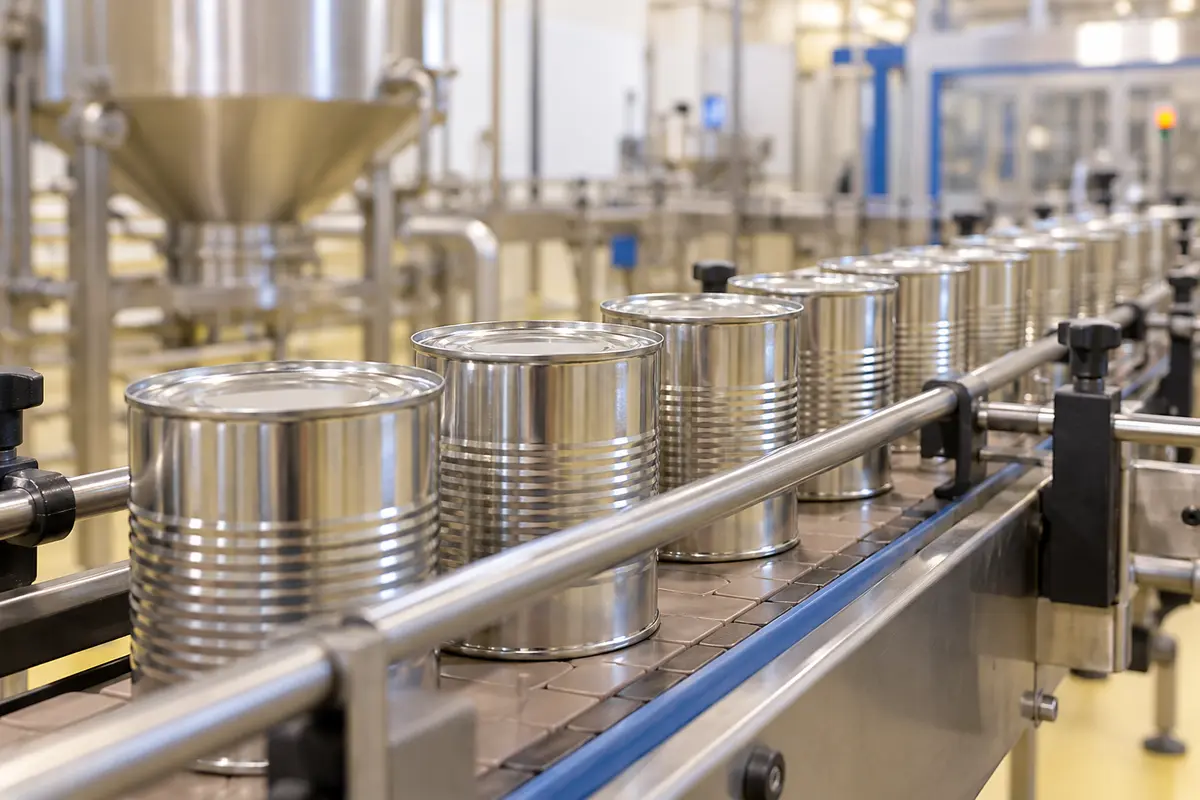
Ghanaian employees will carry out filling, homogenisation, sterilisation and packaging locally. Managing director Salomé Azevedo said employees had planned, installed and tested the new equipment. Azevedo described the investment as an expression of confidence in Ghana and a commitment to local manufacturing.
She said local products could compete in regional and international markets. Mahama linked the investment to domestic manufacturing and the government’s 24-hour economy initiative. He also encouraged the company to use Ghana’s position as headquarters of the African Continental Free Trade Area to reach more markets. MyJoyOnline covered the commissioning on the same day.
Earlier investment expanded production and water systems
Nestlé’s Tema expansion also has a history of investment in additional production capacity. In October 2014, the company had invested CHF38 million, equivalent to 125 million Ghana cedis at the time, over three years in expanding the factory. Vice-president Paa Kwesi Amissah Arthur inaugurated that expansion.

At the time, the factory produced several food and beverage lines for Ghana and export markets in Central and West Africa. Its portfolio included:
- Ideal and Carnation milk products;
- Milo, Chocolim and Chocomilo;
- Cerelac and Nescafé 3-in-1.
The company also tracked water use per tonne of output. Its reported intensity fell from 5.64 cubic metres in 2010 to 3.79 cubic metres in April 2014. An additional CHF1.1 million investment in an effluent pre-treatment system was planned for 2014, with a goal of reusing at least 30% of wastewater for non-core activities. These figures refer to the 2014 expansion, separate from the new milk line.

Factory construction and inauguration were separate milestones
Nestlé began trading in Ghana in 1957. The company acquired the Tema factory land in 1969 and built the factory in 1970. Its inauguration followed in 1971, with Ideal Milk and Milo production. Later additions included a central distribution centre in Tema in 2002 and a Cerelac infant-cereal plant in 2010.
A Milk and More plant was commissioned in 2014, followed by a wastewater-treatment recycling unit in 2016. Nestlé marked its Ghanaian business’s 60th anniversary in 2017. The anniversary commemorated the business’s development since trading began in 1957.
Leave a comment