
Krasinskaya solar plant adds 63 MW in Kalmykia
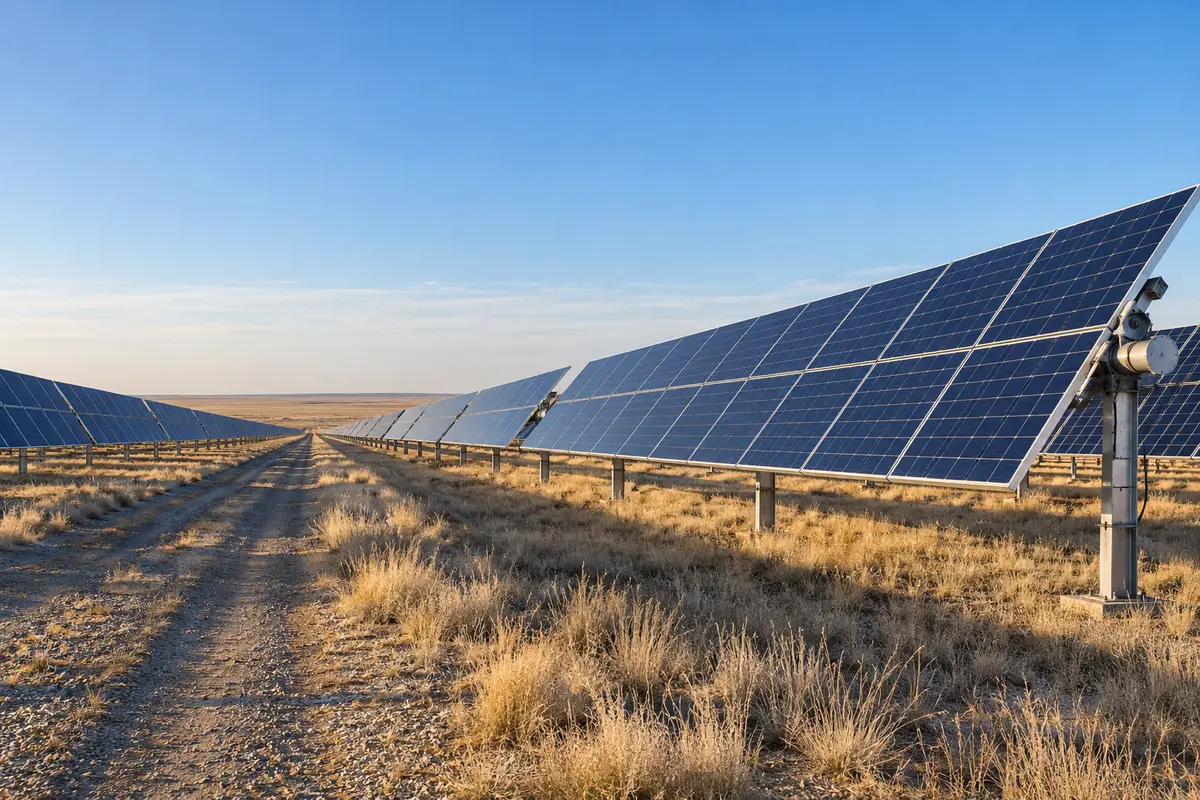
Unigreen Energy has launched the Krasinskaya solar plant in Kalmykia. The new 63 MW facility combines domestic solar modules with new grid-control capabilities.
A fourth solar plant for Kalmykia
Unigreen Energy has launched the 63 MW Krasinskaya solar power plant in the Lagansky District of Kalmykia, Russia. The company put investment at more than 6 billion rubles and regional installed solar capacity at approximately 297 MW following the addition. The company also placed Kalmykia among Russia’s three leading regions by installed solar capacity. Unigreen Energy confirmed the launch to Interfax on January 15, 2025.
Krasinskaya is the republic’s fourth solar power station. Kalmykia’s Housing, Public Utilities and Energy Ministry identified Arshanskaya as the country’s largest solar station at the time of the announcement. The three earlier facilities have the following capacities:
- Maloderbetovskaya: 60 MW.
- Yashkulskaya: 58.5 MW.
- Arshanskaya: 115.6 MW.

Registration and planned electricity sales
By November 27, 2024, Kalmykia’s Rosreestr office had entered Krasinskaya into the state cadastral register and registered ownership rights for Unigreen Power Kalmykia LLC. The installation lies near Ulan-Khol. Its recorded built-up area is 337,191.4 square meters, and its generating capacity is 63 MW.
The project’s forecast annual generation is approximately 99.5 million kilowatt-hours, with all electricity intended for the wholesale electricity and capacity market.

Modules and grid controls
The plant has more than 150,000 domestically produced bifacial solar modules and over 800 kilometers of cable lines. A tracking system adjusts the panels to follow the Sun.
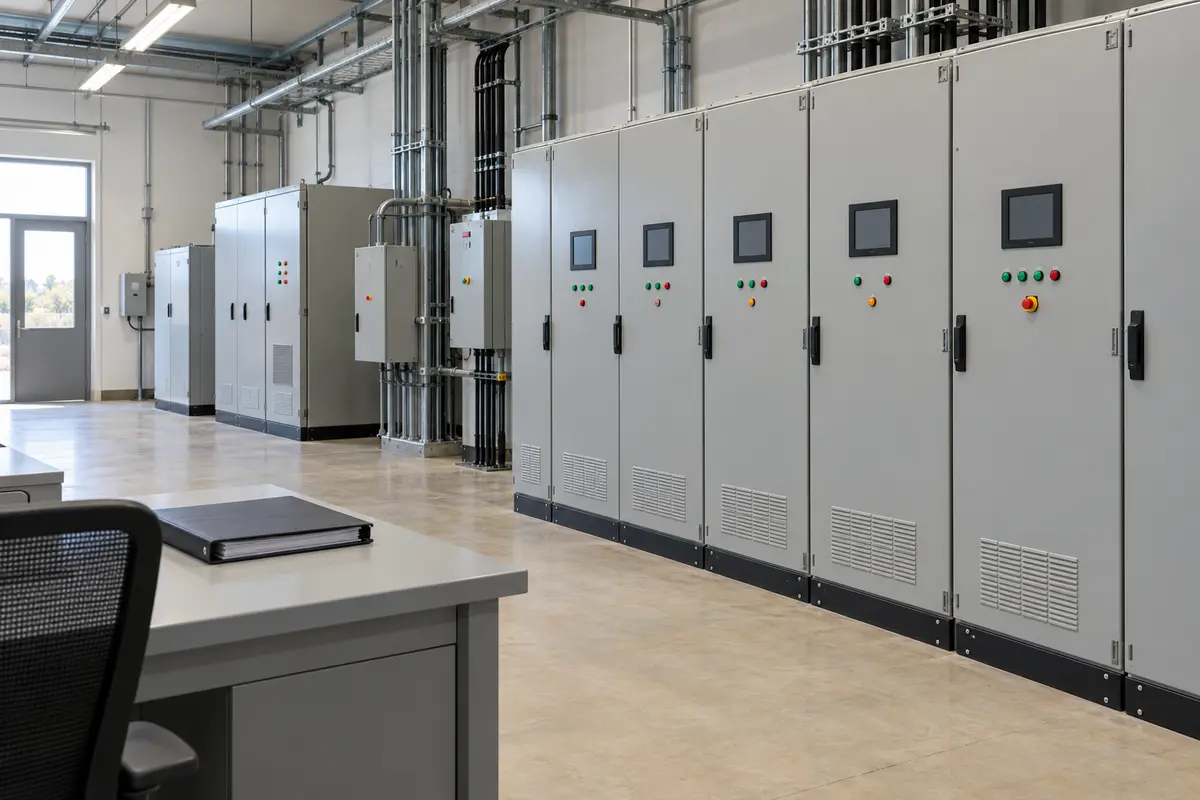
Its digital automated process-control system supports remote control of active power, reactive power and switching equipment from a dispatch center. The System Operator’s Rostov regional dispatch office and Southern interconnected-system dispatch office coordinated operating measures for testing and bringing the station into service. According to the System Operator, remote control shortens the time needed to reduce solar output when preventing or handling power-system emergencies.
Engineering approvals and installed capacity
During design and construction, System Operator specialists reviewed design assignments, engineering documentation and technical decisions for the station and its power-export infrastructure. Their work also covered the technical conditions for connecting the solar plant to the electricity network.
With Krasinskaya connected, Kalmykia’s installed renewable generating capacity reached 516.1 MW, or 96.6 percent of its total generating capacity. Solar stations accounted for 55.6 percent of installed capacity. The nearby Laganskaya solar station, with a planned capacity of 60 MW, was expected to enter service during 2025.

Leave a comment