
Hevel launches solar-tracking plant near Samashki
Hevel has launched a 9.2 MW solar plant near Samashki in Chechnya. Its tracking system and output forecast follow past construction plans and regional projects.
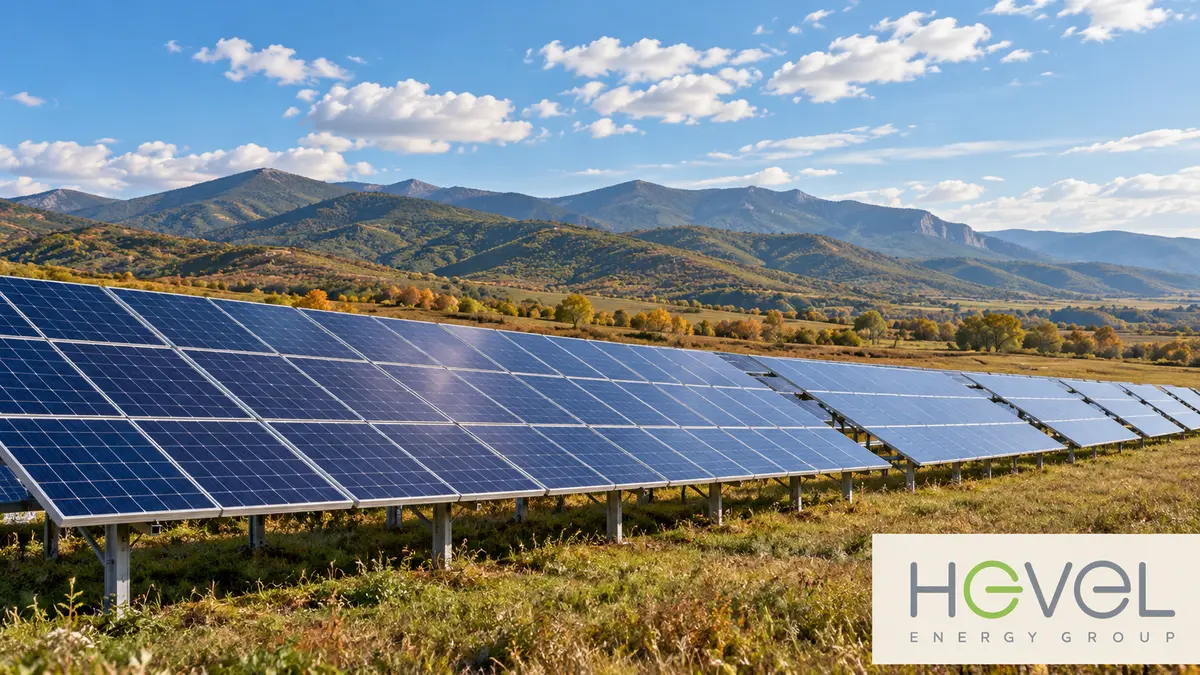
Solar tracking near Samashki
Hevel Energy Group has launched a 9.2 MW solar power plant near Samashki in Chechnya’s Achkhoy-Martanovsky District. The company describes it as the first station in Russia with a system that tracks the Sun. Investment exceeded RUB 1 billion. Around 30,000 domestically manufactured modules occupy approximately 18 hectares, with more than 90 kilometres of cable installed.
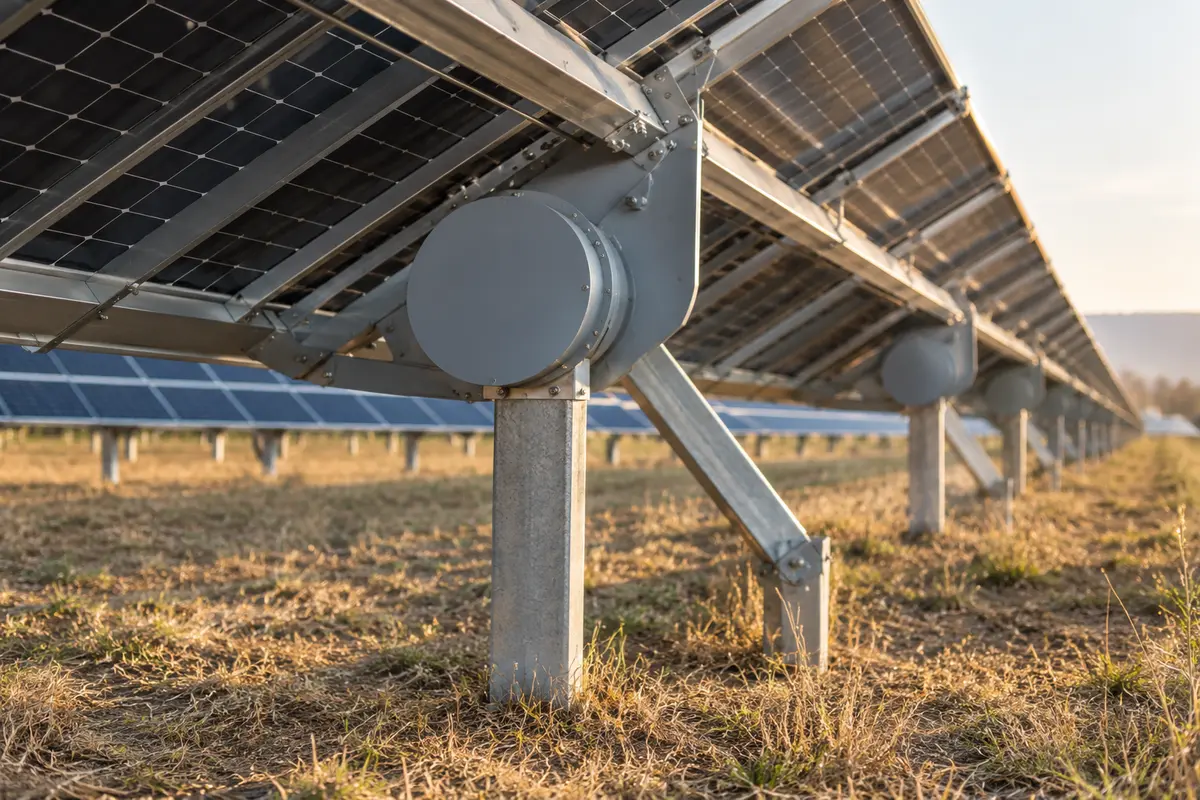
Hevel forecasts annual electricity generation of 13 million kWh and an associated carbon-dioxide emissions reduction of 4,500 tonnes a year. The tracking system is expected to raise generation by an average of 20–25% compared with a conventional fixed arrangement. These are the company’s projected operating benefits accompanying the launch announcement of 7 October 2024.

The earlier construction plan
Construction in the Achkhoy-Martanovsky District was already under way in August 2021. At that stage, Hevel’s project was described with a planned capacity of 10 MW and investment exceeding RUB 800 million. Its expected annual generation was 13 million kWh. The associated emissions-reduction forecast was then 7,000 tonnes of carbon dioxide a year.
- About 100 temporary jobs were planned during construction.
- Up to 15 permanent positions were envisaged.
- The station was intended to supply electricity to consumers.
The 2021 plans linked the new generating capacity to increasing electricity demand in Chechnya. The earlier 10 MW configuration and emissions estimate preceded the 9.2 MW station and revised carbon estimate announced in October 2024. The construction-stage employment figures likewise described anticipated jobs, rather than a subsequent count of people working at the operating station.
Hevel’s earlier regional project
Hevel had previously invested RUB 500 million in the 5 MW Naurskaya solar power plant, opened in June 2021. That project followed a cooperation agreement signed with Chechnya’s government in 2019. Predominantly local contractors built the station, creating about a hundred construction jobs and 18 permanent positions after commissioning. Rosseti North Caucasus connected the facility to the grid. Its annual generation was forecast at 5.6 million kWh, with an expected emissions reduction of 3,000 tonnes of carbon dioxide a year.
Hevel’s regional work also included equipment donated to Grozny State Oil Technical University. A 15 kW grid-connected solar installation was assembled on a teaching-building roof, occupying approximately 100 square metres. Its anticipated annual output was 23.3 MWh. Students and postgraduate researchers were to use the installation for solar-energy studies and generation forecasting for Chechnya and other regions. A pilot educational project on integrating microgeneration into the electricity network was also planned there.
Leave a comment